
Roof and property review
We review the visible roof condition, leak history, material, geometry, penetrations, drainage, access, adjoining finishes, and the owner’s priorities.
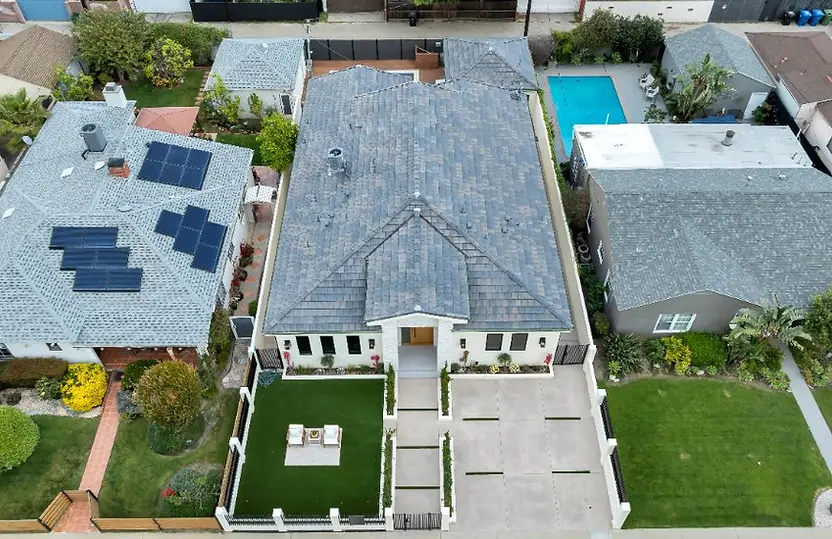
Shingle and tile roof replacement and repair coordinated around deck condition, underlayment, flashing, ventilation, penetrations, and weather protection.
Discuss Your RoofThe project review covers existing roof conditions, water-entry points, deck concerns, underlayment, flashing, valleys, penetrations, ventilation, transitions, and access before the scope is defined.
License scope: Fency Builders Inc. holds active CSLB #1104099, B — General Building only, and does not hold C-39. A standalone roofing project is not contracted until an active C-39 contractor and its work are identified in the written agreement.
The sequence depends on repair versus replacement, concealed conditions, material, access, weather, trade coordination, and approvals. These are working stages, not a guaranteed timeline.
We review the visible roof condition, leak history, material, geometry, penetrations, drainage, access, adjoining finishes, and the owner’s priorities.
The repair or replacement scope, roof covering, underlayment, flashing, ventilation, disposal, approvals, and properly licensed roofing trade are coordinated before work begins.
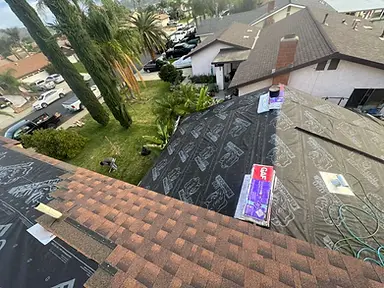
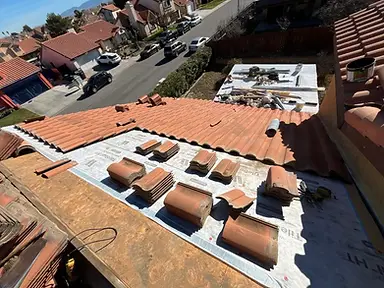
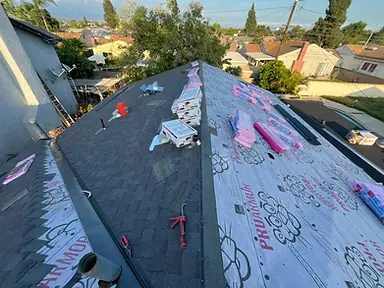
Where included in the scope, existing material is removed, exposed conditions are documented, the roof is dried in, and the selected shingle or tile system and details are installed in sequence.
Edges, ridges, penetrations, flashing, ventilation components, cleanup, and the completed roofing scope are reviewed with the owner.
The finished color and profile come after the roof condition is understood. We separate visible evidence from concealed conditions and define the complete weather-protection system.
We review visible wear, known leak history, soft or irregular areas, previous layers, drainage patterns, and accessible evidence. Concealed deck damage may only become visible after removal and must be documented before additional work proceeds.
Valleys, walls, edges, vents, pipes, skylights, transitions, and other penetrations depend on compatible underlayment and flashing details. These connections are scoped with the roof covering rather than treated as separate cosmetic items.
Roof pitch and shape, shingle or tile selection, existing structural conditions, ventilation, work access, debris handling, weather, and required approvals affect the installation sequence.
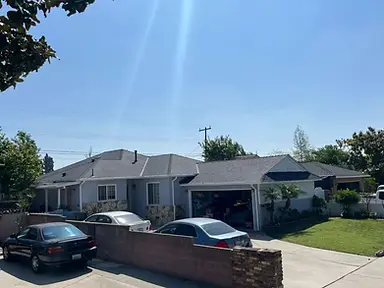 Roofing
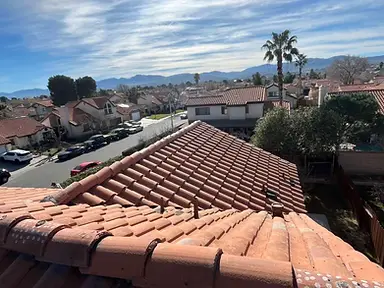 Roofing
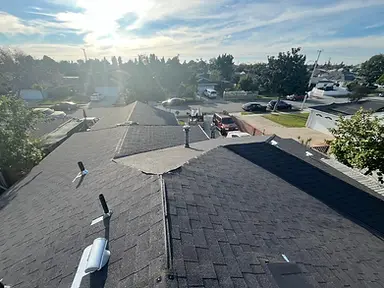 Roofing
 Roofing
 Roofing
 Roofing
A selection of reviews shared on our Google Business Profile, with each reviewer’s own name attached.
Fency Builders are extremely professional, on top of what is necessary to build with the quality that is top notch and at an affordable price. They know everything needed from roofing, interior repair and much more. I met this company for the first estimate on our job and then canceled the other five interviews that were scheduled. Fency Builders were qualified and was explanatory of what would be handled and as to the time necessary. The staff was knowledgeable about all the work needed and finished within the time stated to complete the job. I highly recommend Fency Builders to anyone who wants a beautiful job done at a great price. They will be contacted for the our jobs that comes up in the future. I know they are superb workers and people in general.
Straight answers about permits, timelines, materials, and what actually determines the result.
The decision depends on the location and cause of the problem, the condition and remaining serviceability of the surrounding roof, previous repairs, material compatibility, leak history, and any concealed damage found during the work. An isolated condition may support a focused repair, while repeated or widespread failures can make replacement the more responsible scope.
Architectural shingles and clay or concrete tile have different weight, fastening, underlayment, flashing, repair, and access requirements. Existing structural conditions, roof geometry, appearance, material availability, and the condition of reusable tile all affect the system that is appropriate for a property.
Shingles and tiles shed most rain, but the weather-protection system also depends on the underlayment and the details at valleys, walls, edges, vents, pipes, skylights, and other penetrations. A roofing scope should identify these transition details rather than address only the visible surface material.
Some deck conditions remain concealed until the existing roof material is removed. When that occurs, the condition should be documented, the required repair and cost should be explained, and written approval should be obtained before work beyond the agreed scope proceeds. The website cannot predict concealed damage for a specific property.
Roof area and geometry, access, removal and disposal, existing layers, deck repairs, material, underlayment, flashing, vents and penetrations, adjoining stucco or trim, weather protection, and required permits or inspections can affect the scope. The governing agency and approved documents control the final permit requirements.
Fency Builders Inc. holds active CSLB #1104099, B — General Building only, and does not hold C-39. A standalone roofing scope is not contracted until an active C-39 contractor and its work are identified in the written agreement. Fency Builders does not accept a single-trade roofing subcontract under its B license.
Fency Builders coordinates roofing projects across the Los Angeles-area communities below. Roof condition, specialty-trade availability, approvals, and scope are confirmed for each property.
Share the property, roof material if known, leak or damage locations, approximate age if known, and clear exterior or attic photos. We’ll use them to prepare for the next conversation.